42nd Annual Okinawan Festival

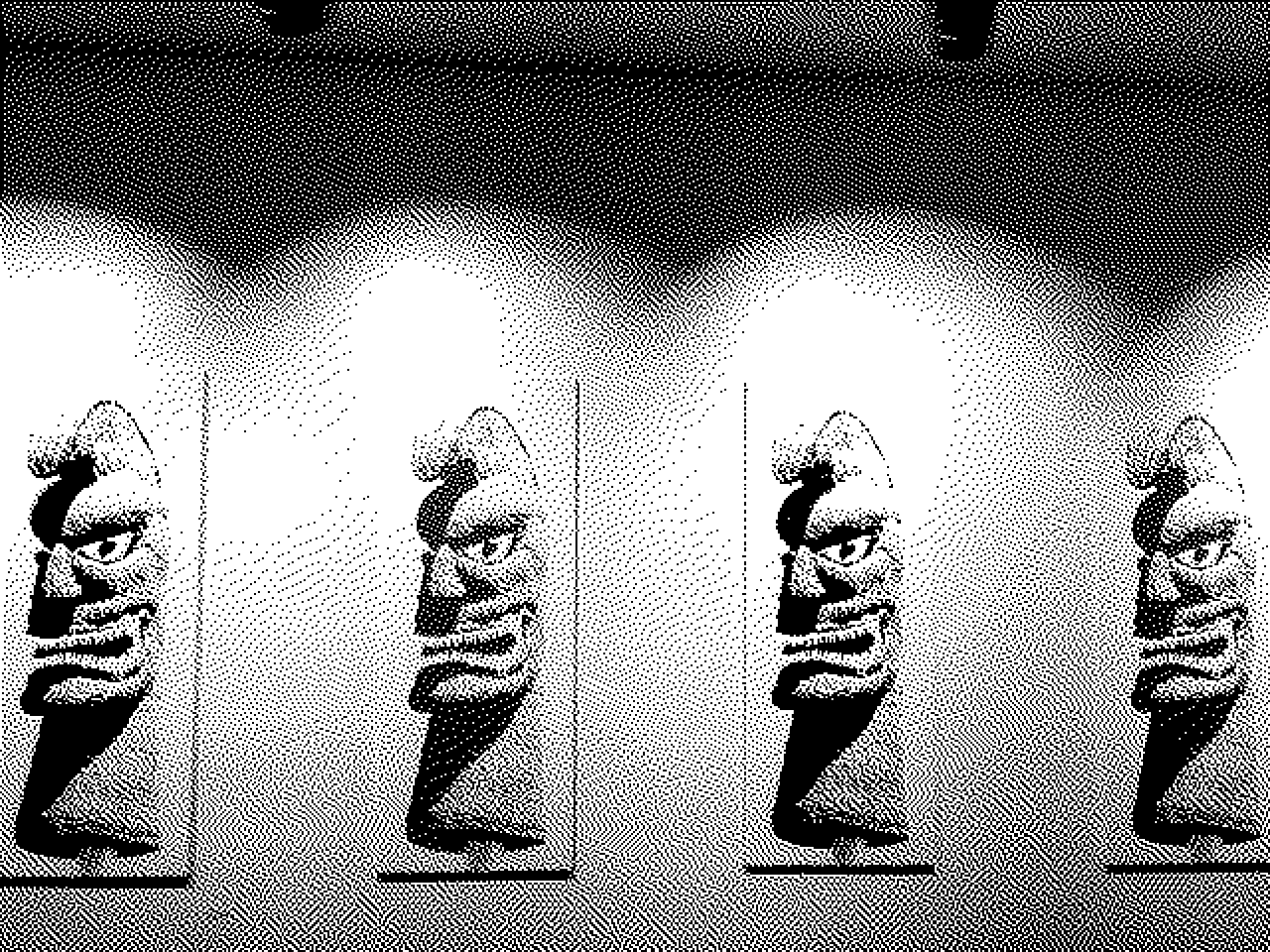
Yesterday we went to the Okinawan Festival at the Hawaiʻi Convention Center.

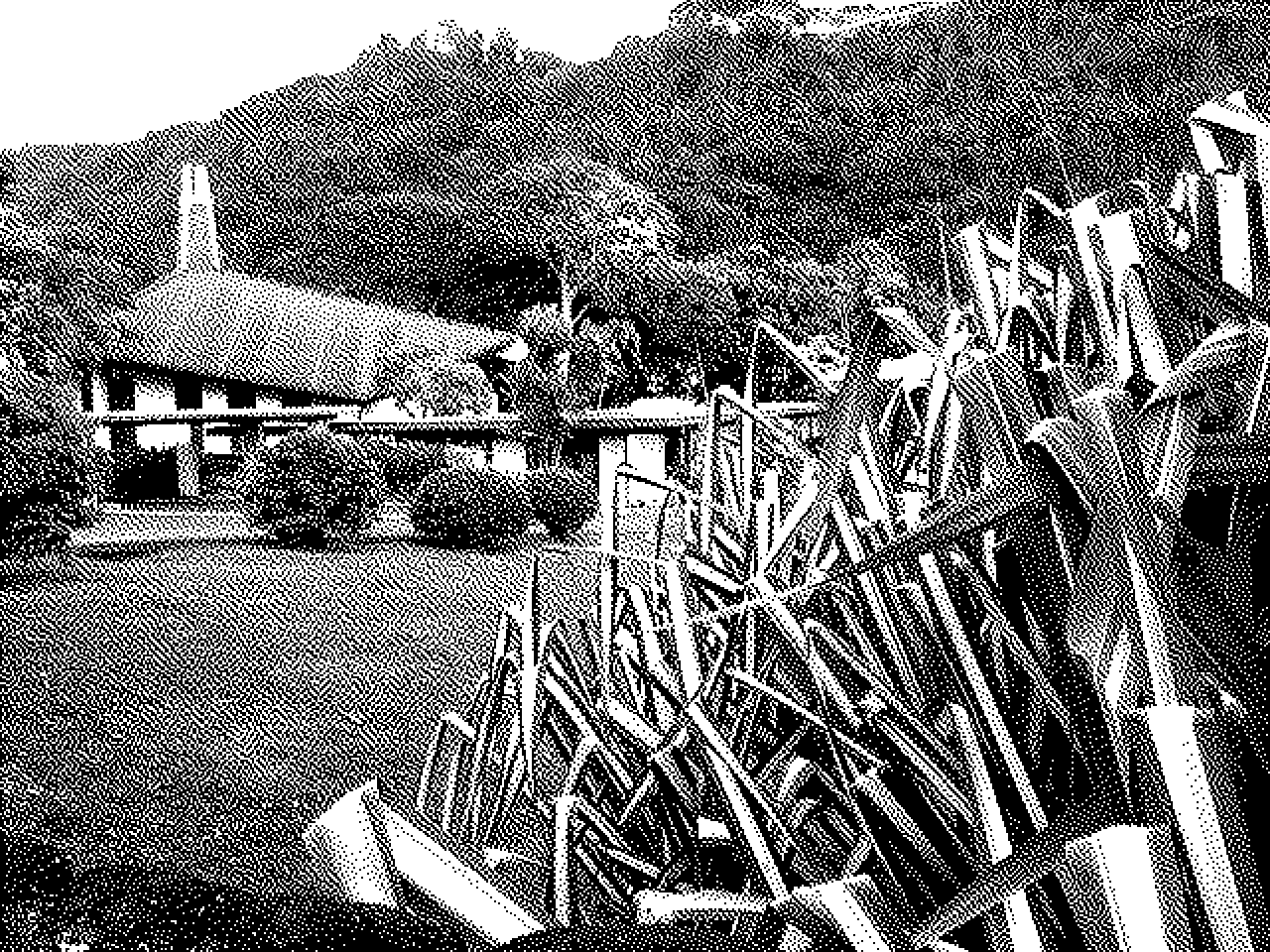
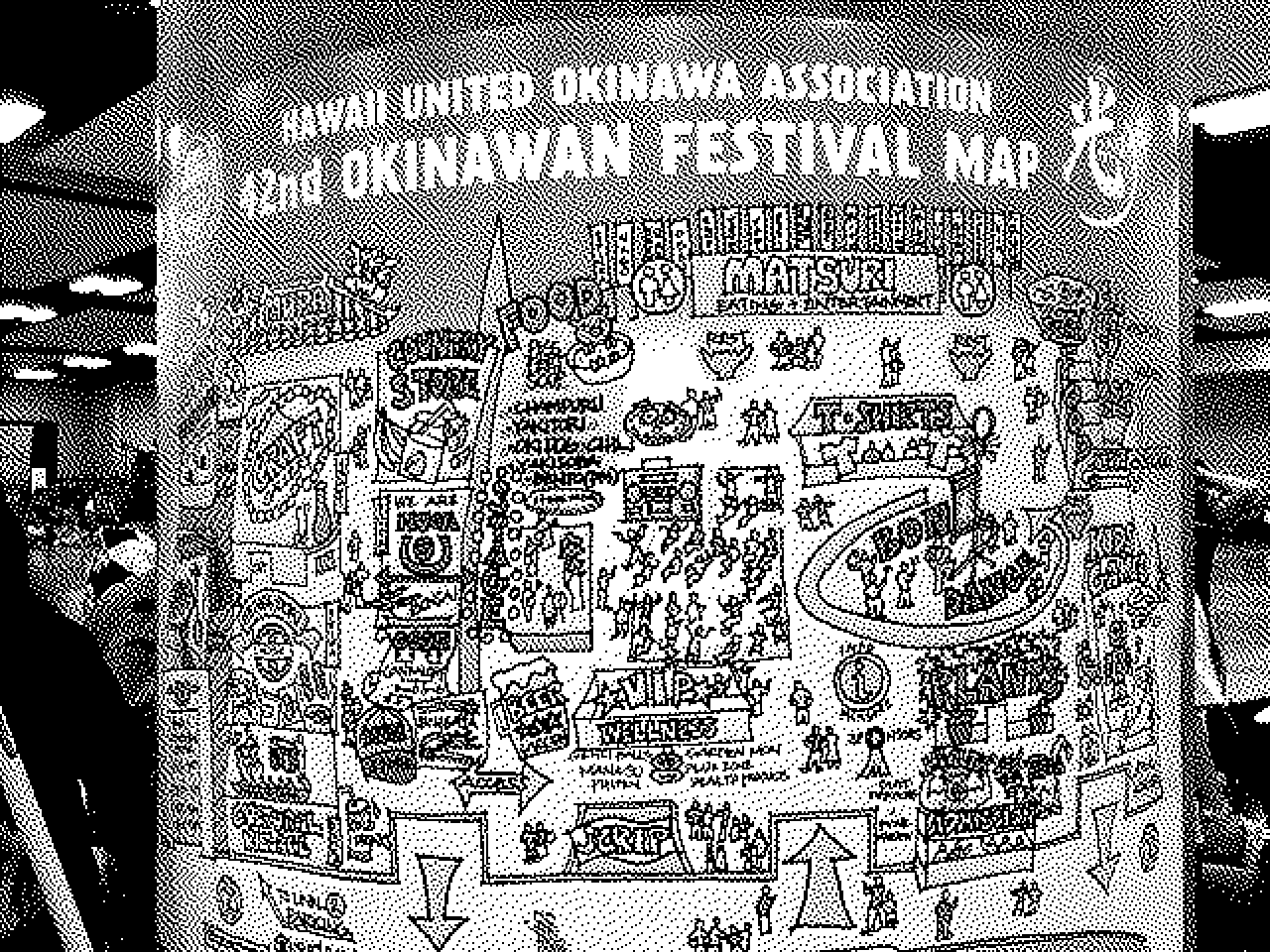
I didn’t take a lot of photos, but I loved this hand-drawn map.

Okinawan Festival map

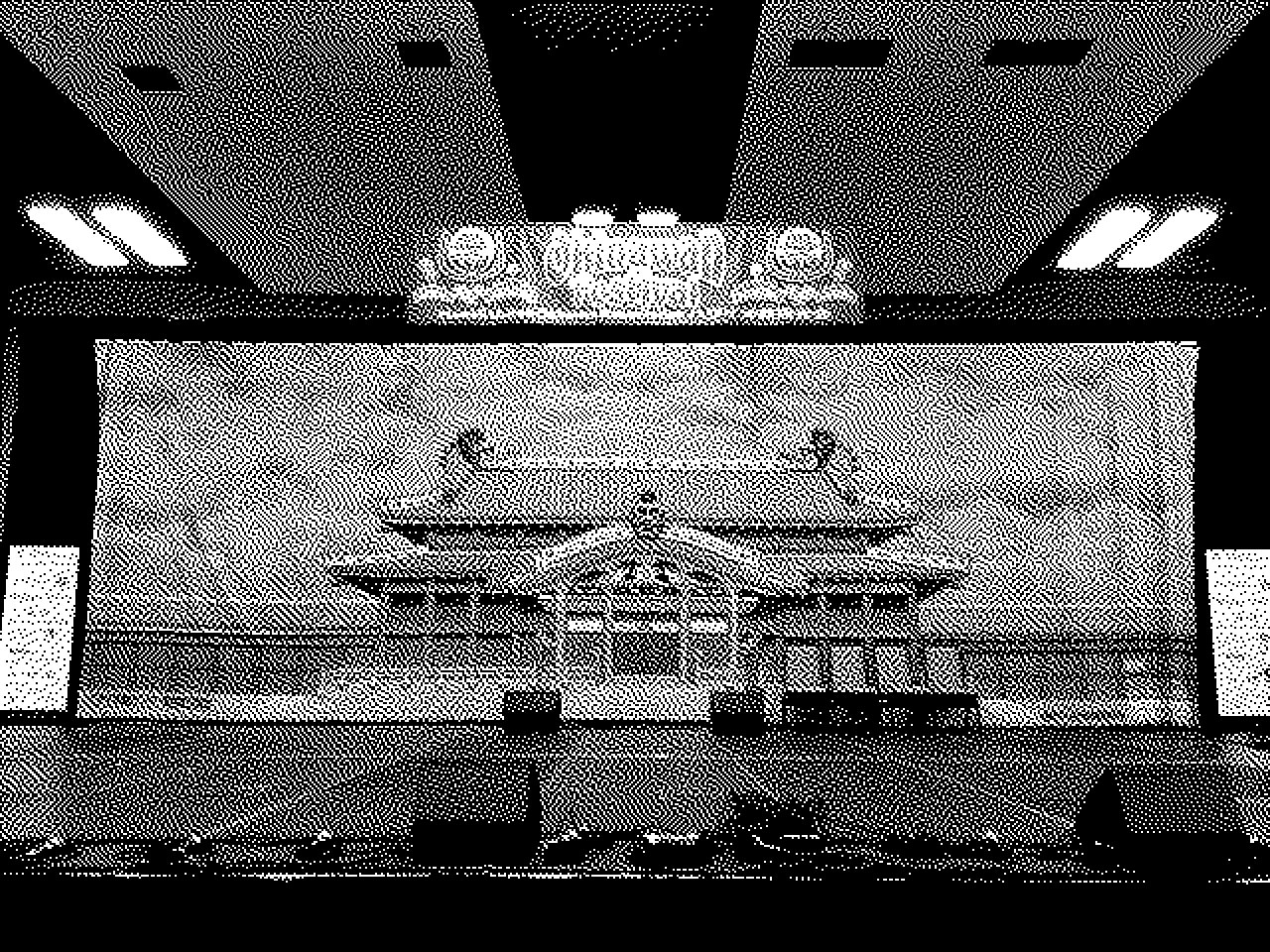
There was a large stage that hosted taiko and sanshin performances.

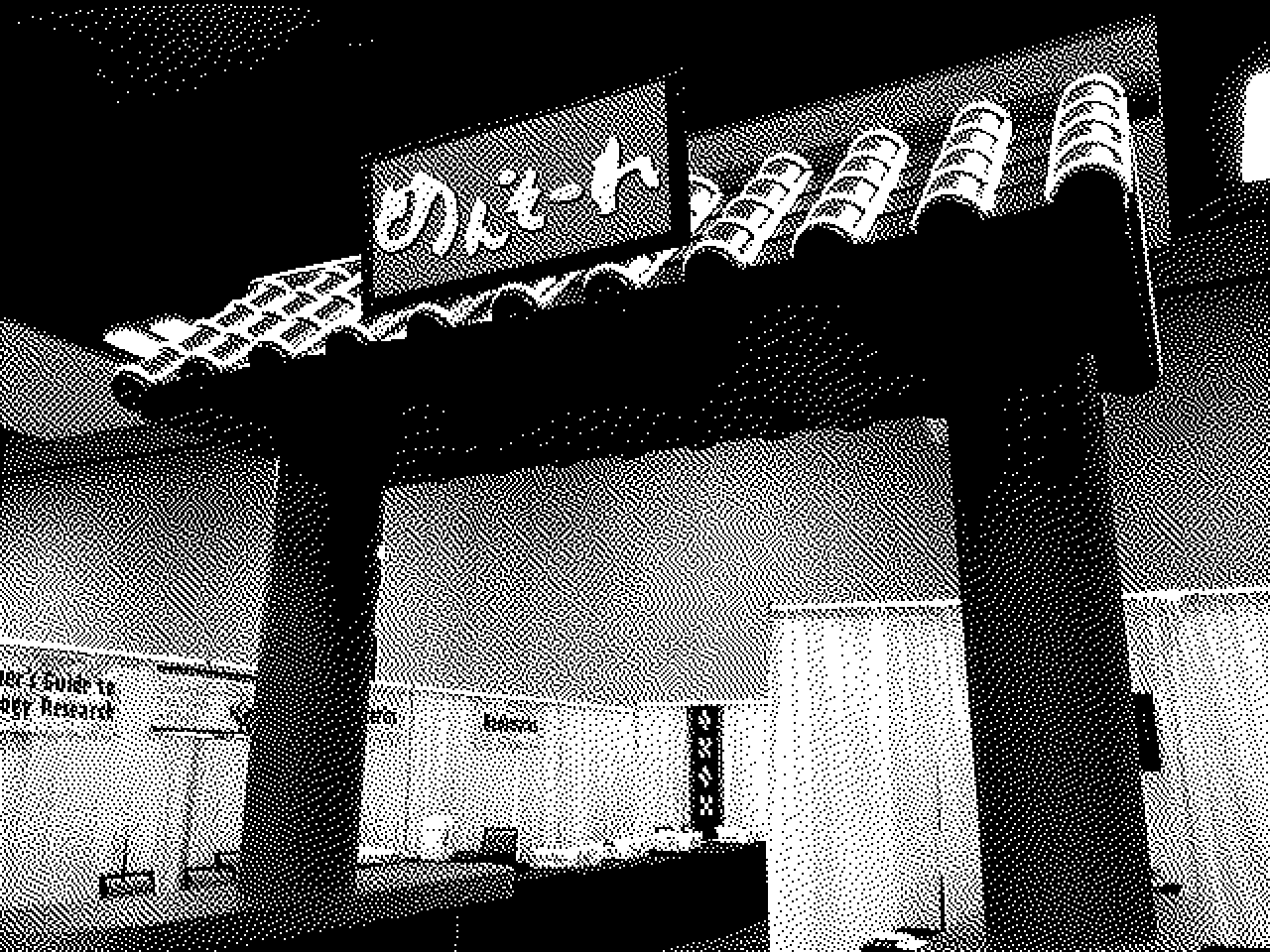
Stage backdrop

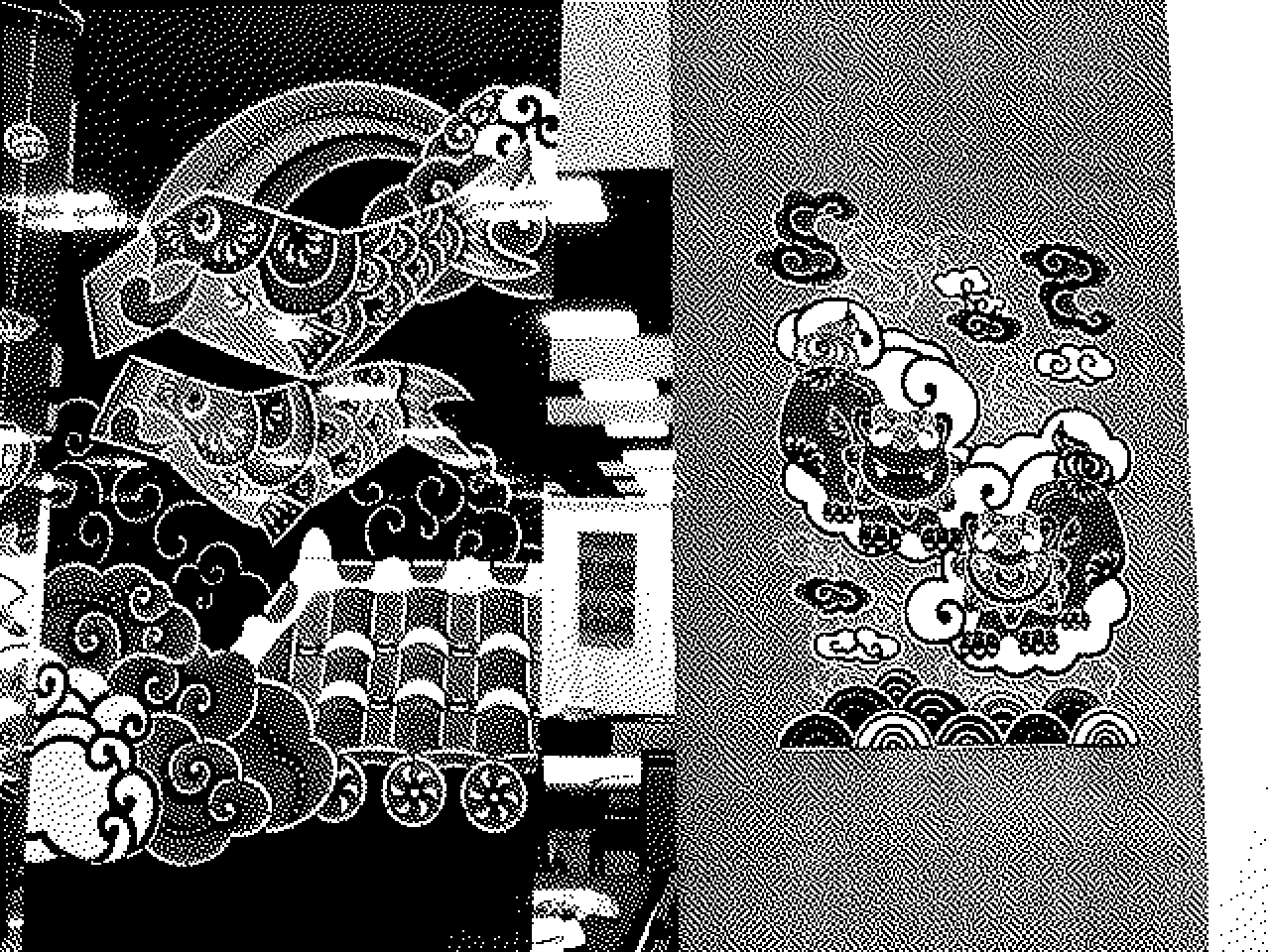
There was a bingata dyeing workshop.

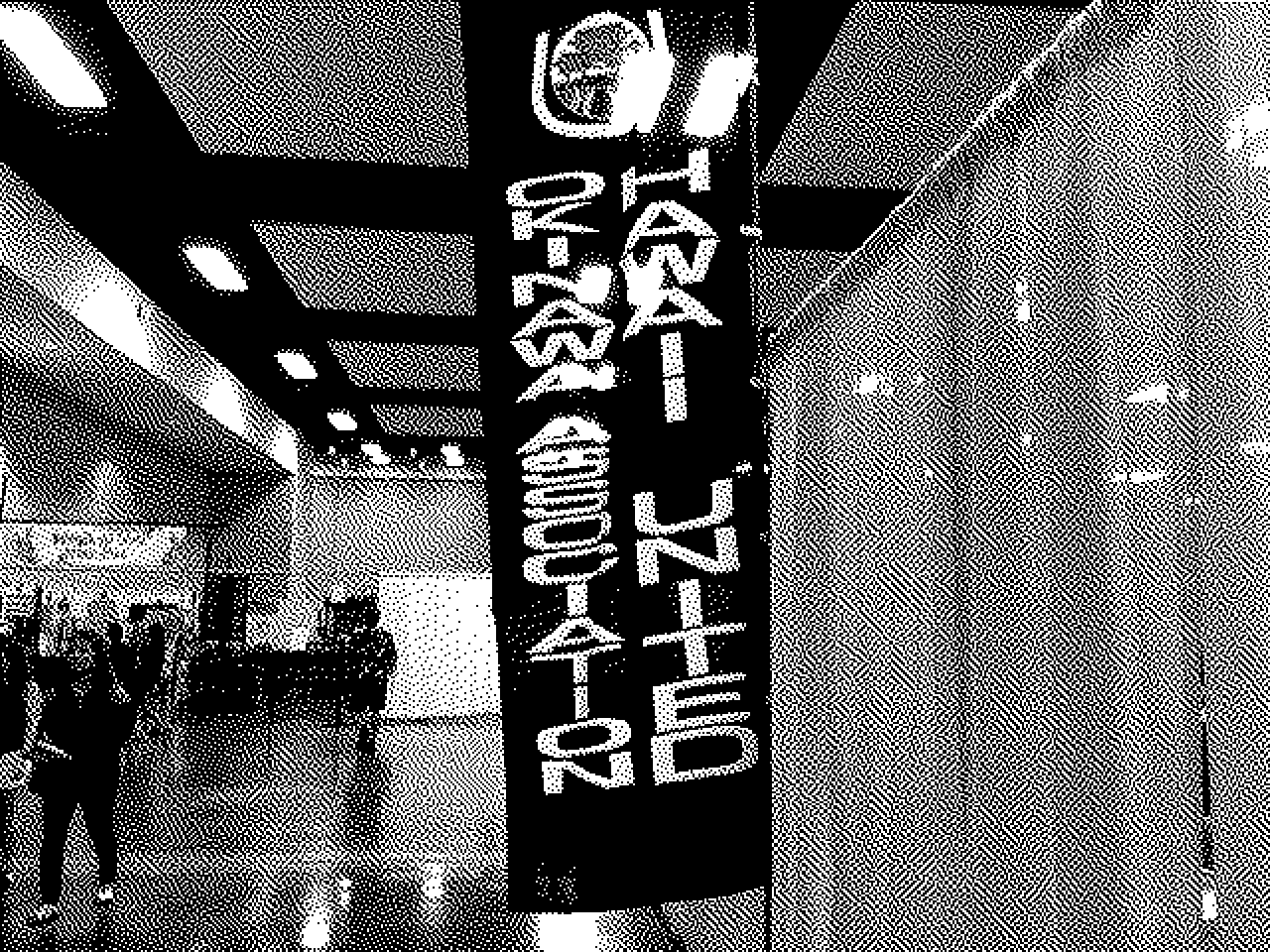
Bingata dyed signage Hawaiʻi United Okinawan Association

There was a genealogy workshop where folks could look up their ancestors.

Geneaology workshop

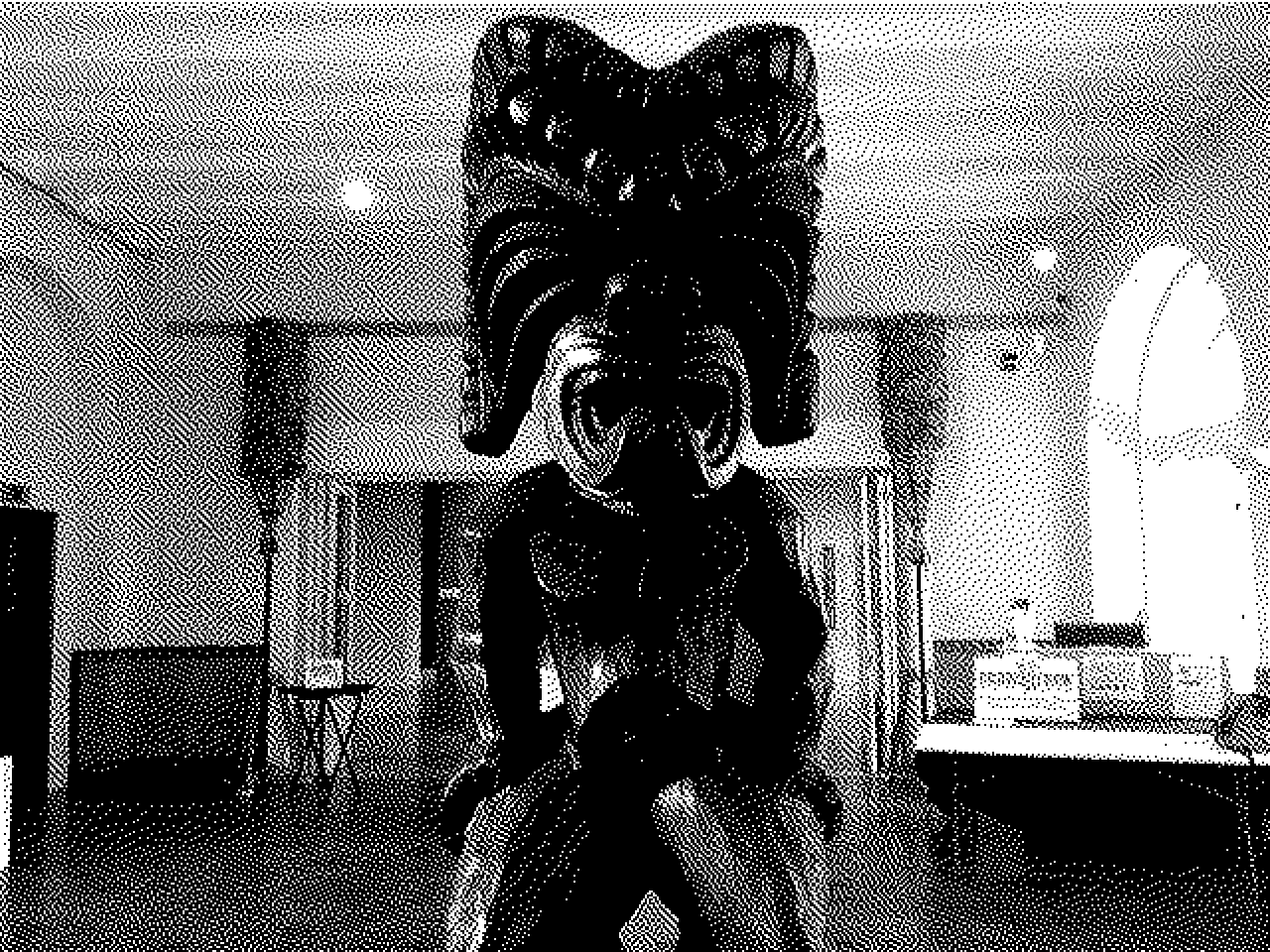
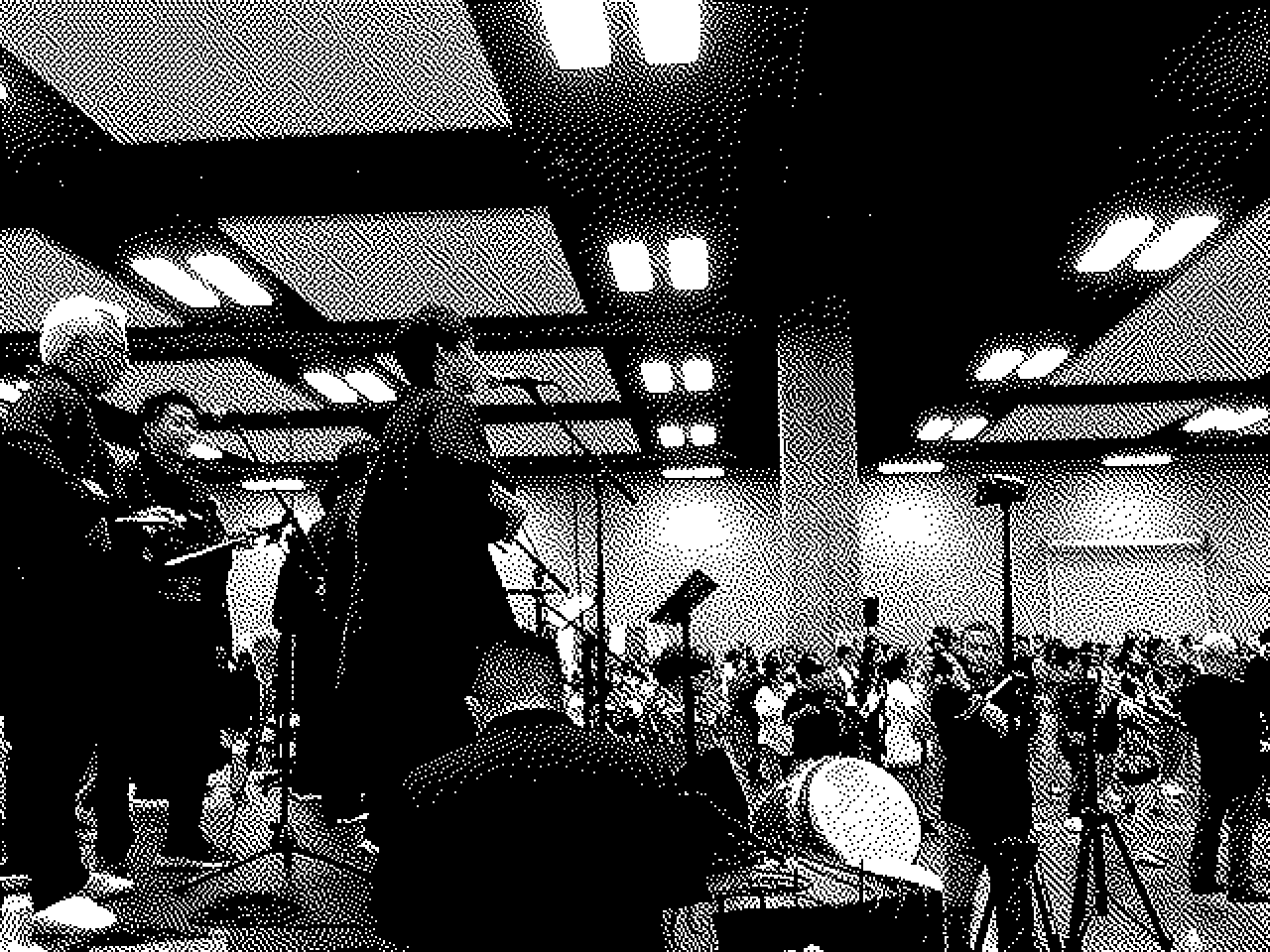
The evening concluded with a bon dance and live sanshin music.

Bon dance Sanshin players for the bon dance.

Pōhakuloa: A Land Besieged:

Hawaiʻi is one of the most militarized states in the United States. Overall, the U.S. military controls almost 223,000 acres (about 5%) of land in the pae ʻāina – and fully 21% of the land on the island of Oʻahu.

[...]

“So much money to the military,” grieved Kahaulelio. “We got hungry kids and schools falling apart, but the military gets millions? To what? Make more bombs to kill and keep killing?

“The military is even using our Hawaiian home lands – Mākua, Bellows, Pōhakuloa – while our people wait 40 years on the waiting list. How much more are they going to take from us?”

It can’t be this way forever.

Thanks to @nileane@nileane.fr’s suggestion I am trying out Lucky for Safari. I absolutely LOVE the way the results look, but after using DuckDuckGo for several years, I have gotten so used to bangs that !g, !gi, !yt, and !w are all well-established muscle memory. Change is difficult.

My Wishy cassettes arrived today. They are a perfect blend of melodic shoegaze and dream pop. Their excellent full-length album is out now, but check out “Spinning” from their EP. It feels so much like my favorite parts of Chapterhouse and Slowdive.

What Kamala Harris Meant by “Most Lethal Fighting Force” in Her DNC Speech:

As Sen. Bernie Sanders, I-Vt., highlighted in a criticism of Harris’s speech, the nebulous goal of lethality can also justify seemingly endless military spending.

“In all due respect, the United States is now spending more than the next 10 nations combined on defense,” said Sanders on ABC’s “This Week.” “We want the strongest defense in the world, but I do think enough is enough. You’re seeing military contractors profits soaring, and I think we can have the strongest defense in the world without spending a trillion dollars a year.”

I appreciate this line getting the attention that it deserves. Straight up, I hated that speech.

Who decided that teacher training books and books about pedagogy and progressive education must be cursed with the most godawful design choices and typography?

Super Saturday at Capitol Modern

I had a great time at Capitol Modern for their Super Saturday event. First exhibit we saw was on puppets used in hula telling stories of old. The craftsmanship was beautiful.
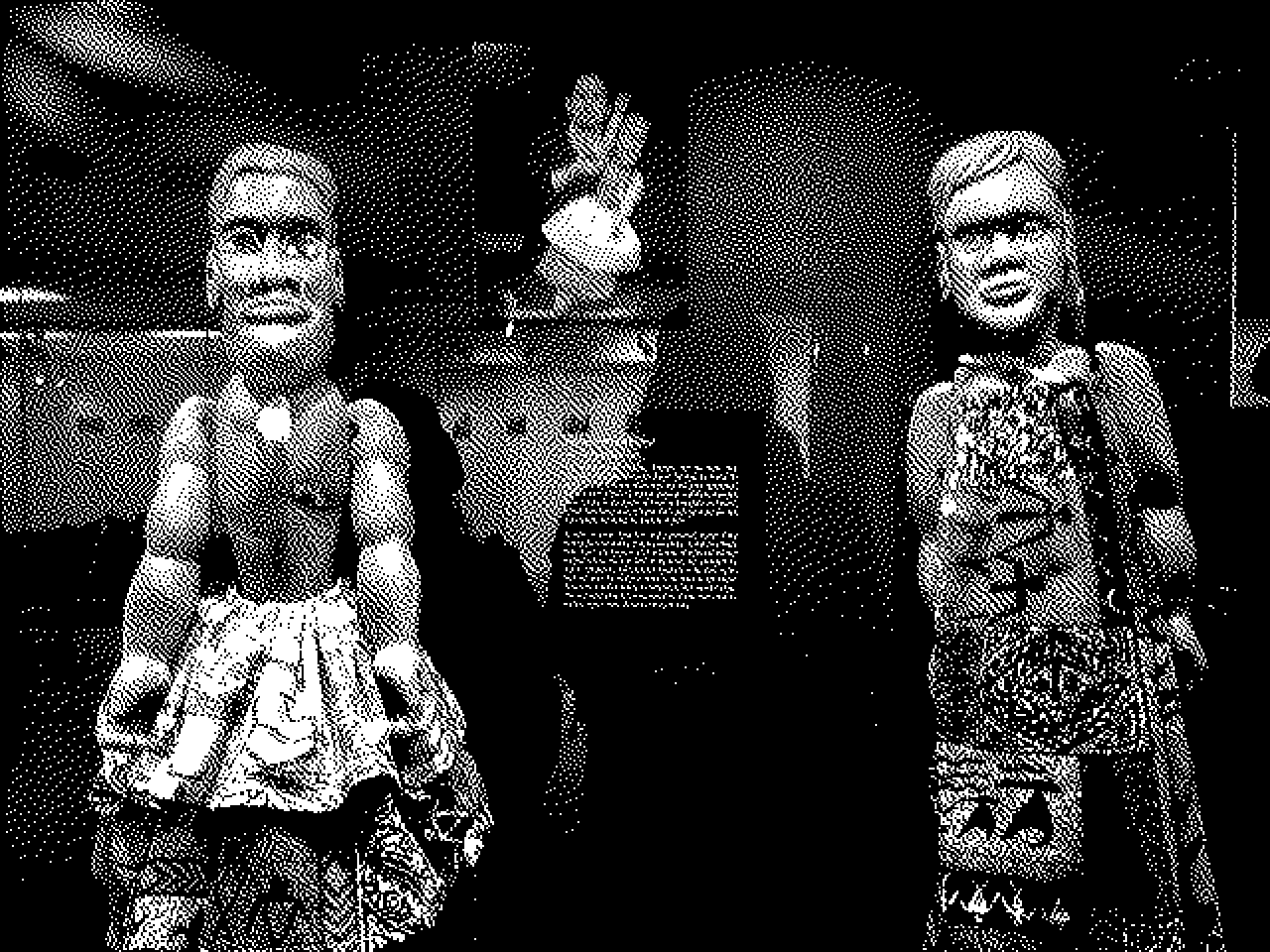
Hula puppets

There was an exhibit on Liminal Spaces that featured photos of locations in Hawaiʻi similar to the phenomenon of The Backrooms.
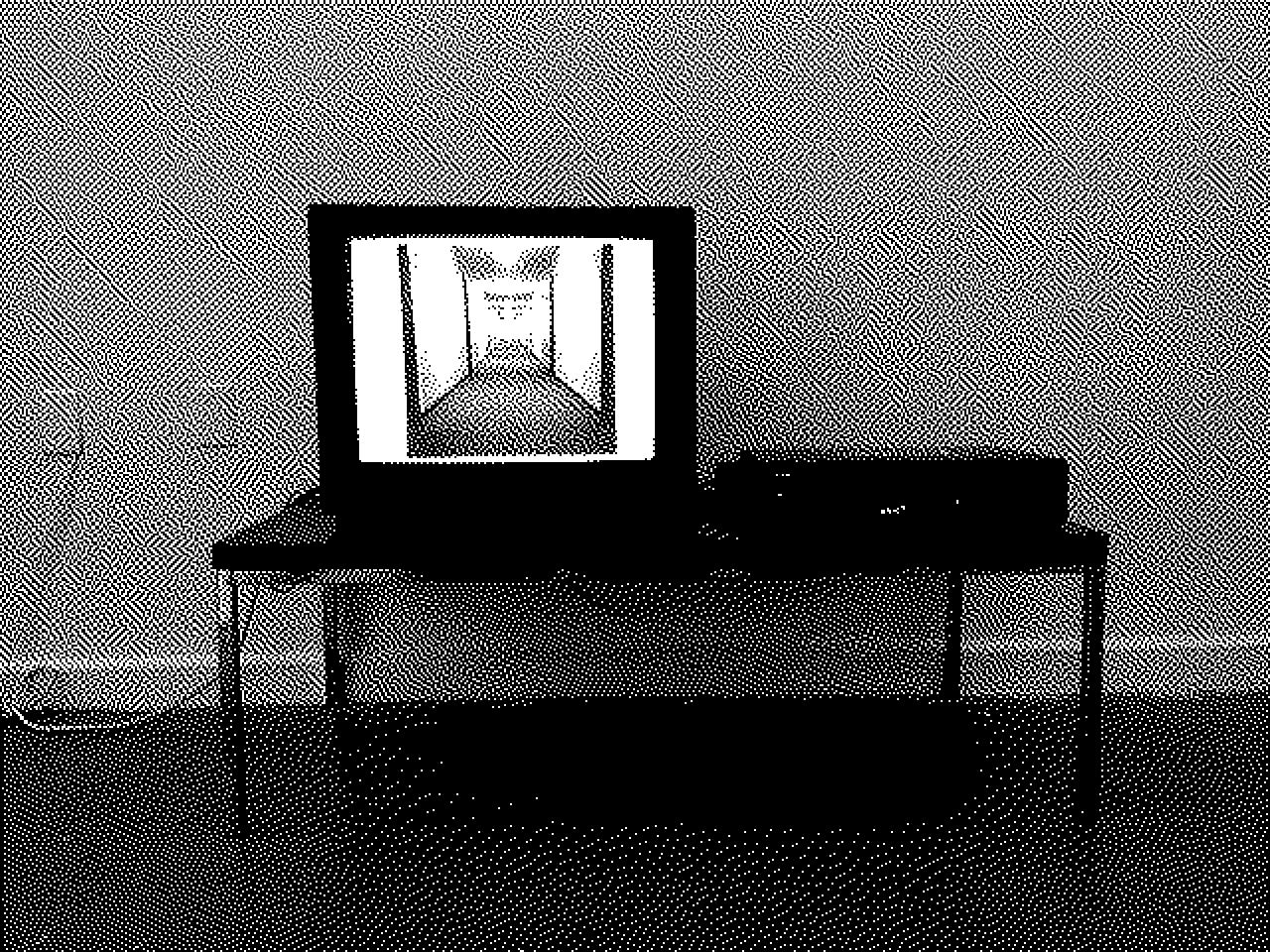
Liminal Spaces.

It was a delight to sit in airport chairs and watch a CRT of weird footage.

We then went to see Solomon Enos who is working on a community art piece for the reflecting pools at the Hawaiʻi State Capitol. We added our contribution of a few brush strokes.

There were some Carl Pao pieces on display and kiʻi as well.
Carl Pao Kiʻi

Then we went upstairs and saw the massive kiʻi.
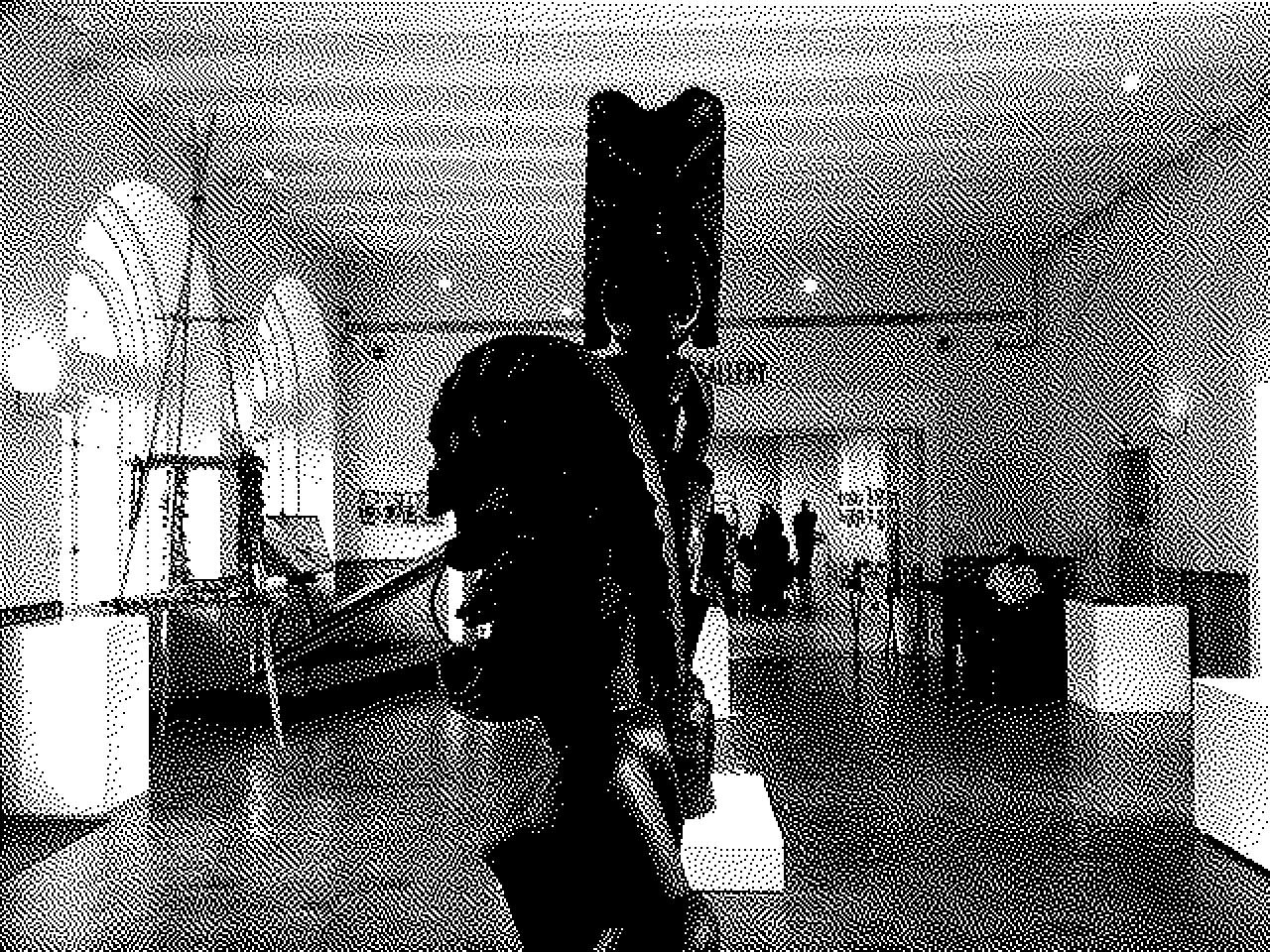
Kiʻi statue Large kiʻi

There was a hall with images of Kanaka Māoli activists dedicated to making Hawaiʻi more and more sovereign.
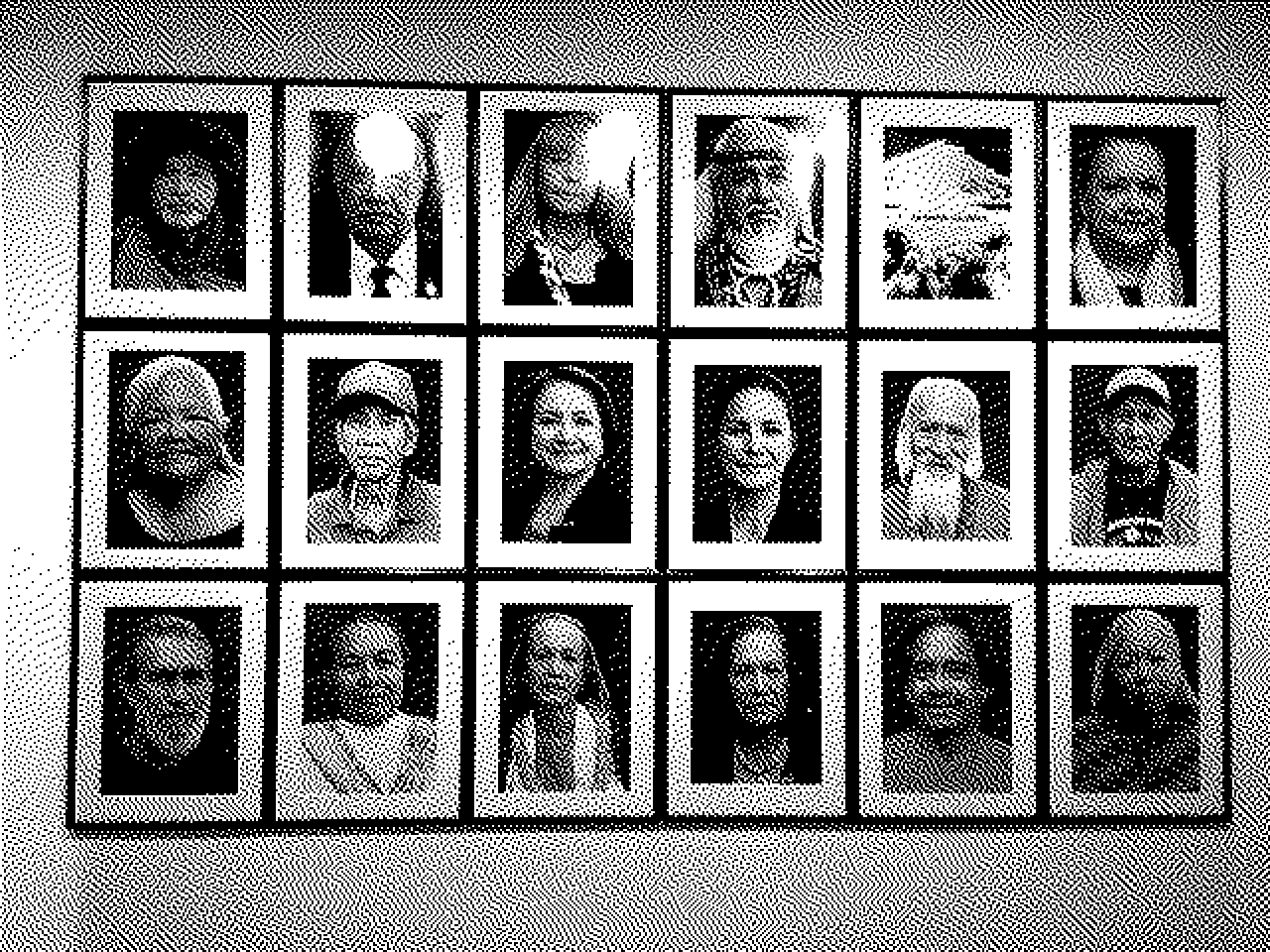
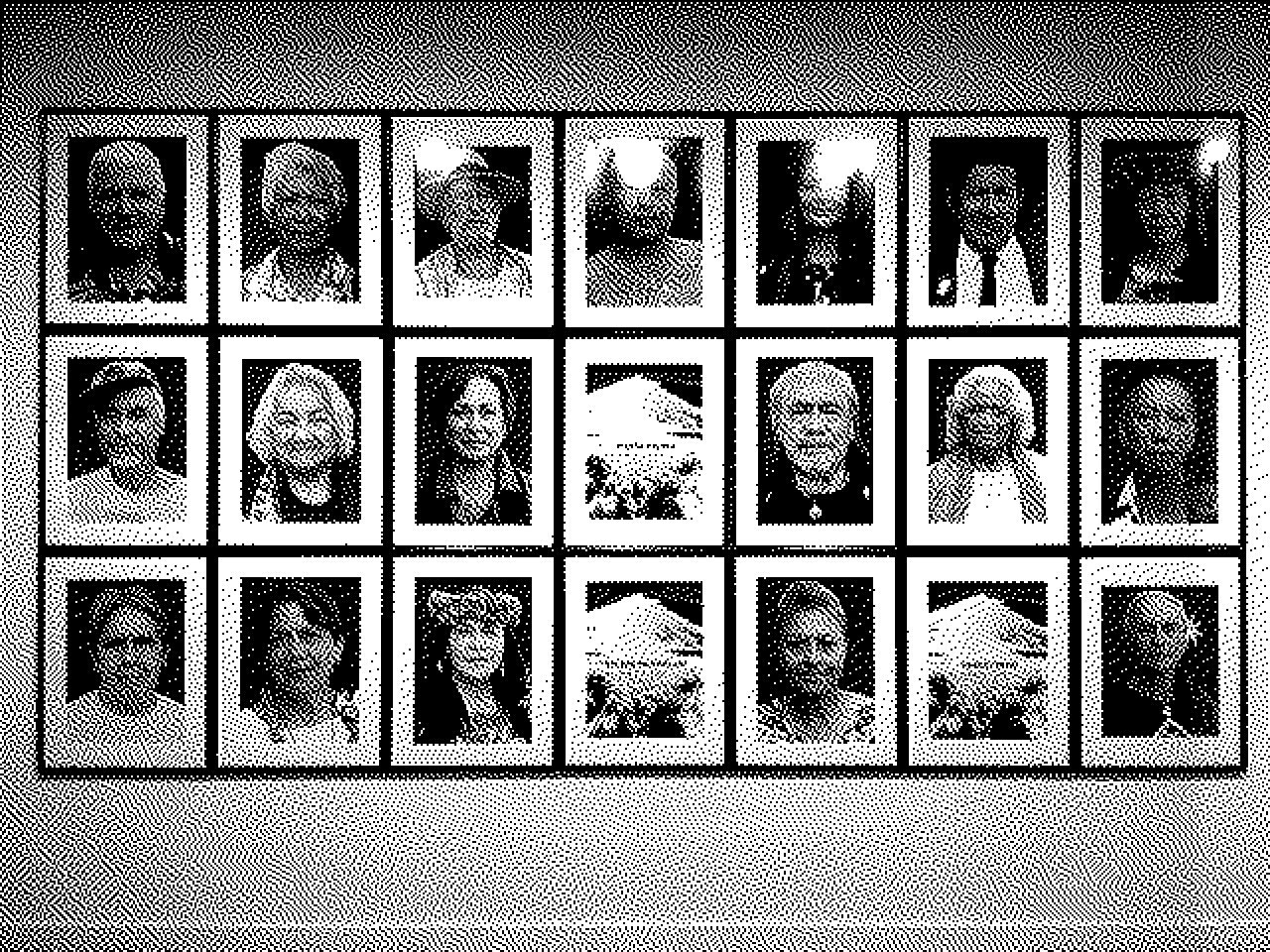
Activist wall 1 Activist wall 2

My favorite piece was this leiomano made from a surfboard and fins.
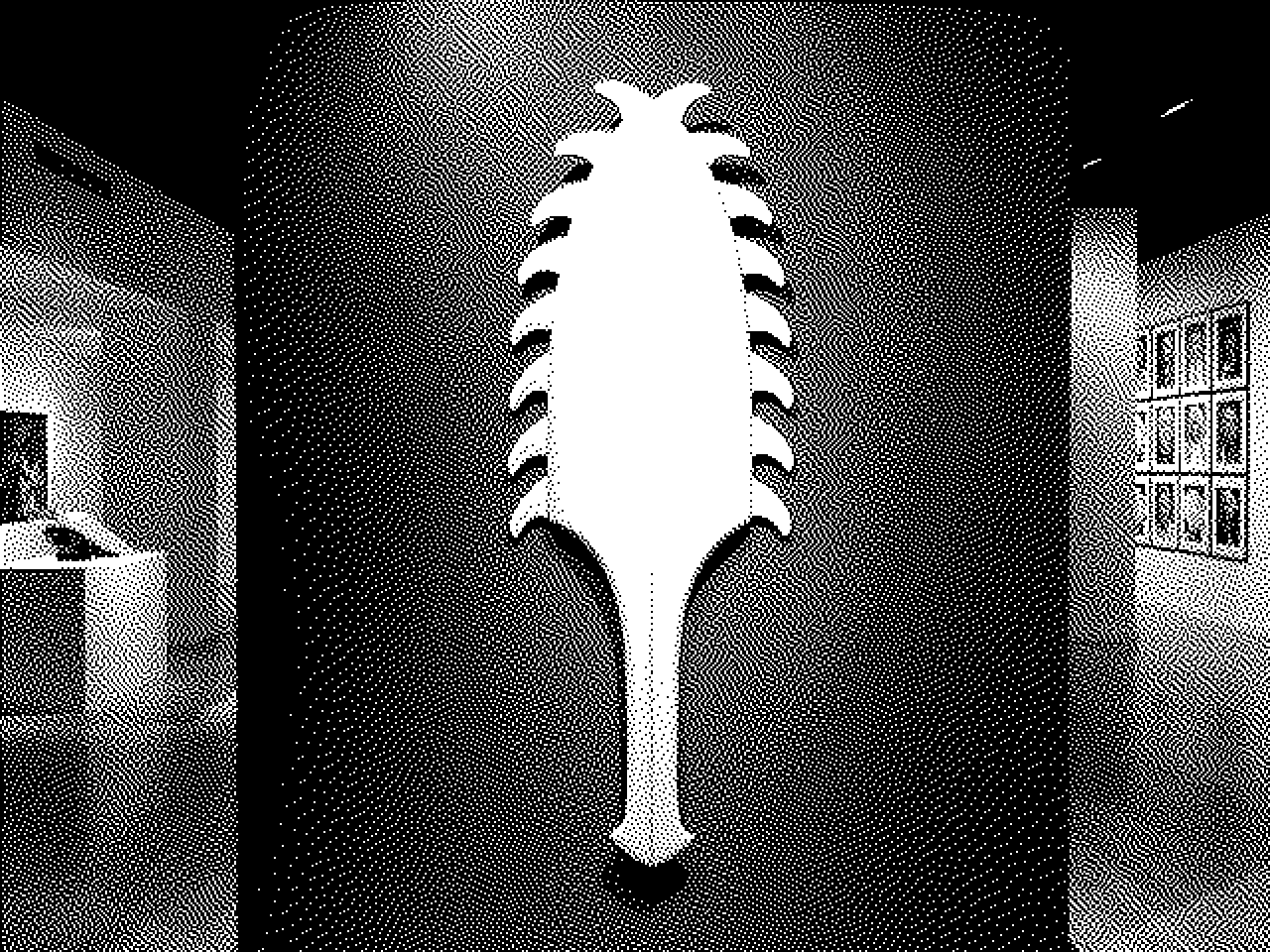
Leiomano made from surfboard and fins

There were several other rooms, but I didn’t think photos would do them any justice. If you are visiting Honolulu, first educate yourself prior to boarding that plane. When you are here, make sure to visit museums like Capitol Modern and the Bernice Pauahi Bishop Museum to understand what had to happen historically for you to be here.

Naka Nathaniel: We Need To Foster A Culture Of Belonging In A Land Of Inequality:

I was reminded of a previous conversation with a very wise uncle. He said that decades ago, Hawaii had become too welcoming. He said that most cultures prioritize protection first and hospitality second. 

Somehow, in Hawaii we had it flipped. Unlike the Maori, we put our dancers out in front and not the warriors.

He said he couldn’t understand it: When a stranger arrives on your shores you should determine if they’re there to invade you and take what you have. Instead, in Hawaii we sidelined our warriors and, to him, were too hospitable.

Naka Nathaniel is brilliant and challenging in so many ways. One example of this is, to my understanding places like Aotearoa have a short list of what can be brought into the nation where Hawaiʻi has a short list of what cannot. Two very different ways of approaching introduced elements to culture and environment.